
So I built a cartridge that fits the film chamber and records digitally instead. Same viewfinder, same lens, same trigger, same handling. The only difference is that the film plane is now a small camera sensor, and the footage lands on a microSD card. Nothing on the camera is glued, drilled or soldered. At most the film gate comes out: two screws on many cameras, and it goes back in. Take the cartridge out and you have an untouched Super 8 camera again.

It records when it sees the light flicker
There is no wire between the cartridge and the camera, and that is the part I’m most pleased with.
A film cartridge has a take-up core that the camera turns to wind the film. Mine has a printed wheel in that spot, so when you press the trigger the camera’s own motor turns it. The wheel has two tunnels bored through it at right angles, a cross with four openings around the rim. A white LED shines across the wheel and a light sensor watches from the other side. Every quarter turn an arm of the cross lines up with the beam and light gets through; then the solid part of the wheel blocks it again. Every change is a signal on one of the Pi’s pins, and a steady stream of them means the camera is running. Two seconds of silence and the Pi knows you’ve let go, so it closes the clip.
A decades-old mechanical camera telling a computer that it’s rolling, with nothing but a torch beam.
The other trick: one motor turn per frame
The camera’s shutter keeps spinning in front of the sensor, just as it did for film. Get the timing wrong and a dark band rolls through the picture. My Nizo’s dial says 18 frames per second; by timing that rolling band I found its motor really runs at 17.2. Now each frame is exposed for exactly one turn of the motor, so every line of the picture sees the same amount of light, and the band disappears. Brightness is left to the camera’s own iris, the way it was meant to work with film.
Built around my Nizo S125
I built the first one around my Nizo S125 and tested it in two Nizos. The clips here come straight off the card, at 1296 × 972, ungraded.

Inside are a Raspberry Pi Zero 2 W, a Waveshare OV5647 sensor with its lens removed, a Seeed Lipo Rider Plus that charges the battery and turns it into 5 V, and a round 18650 cell. Five printed parts hold it all together. When there’s no home WiFi around, the cartridge becomes its own hotspot, and the clips show up in a gallery on my phone.
Straight off the card
Shot on my Nizo S125, 1296 × 972, ungraded.
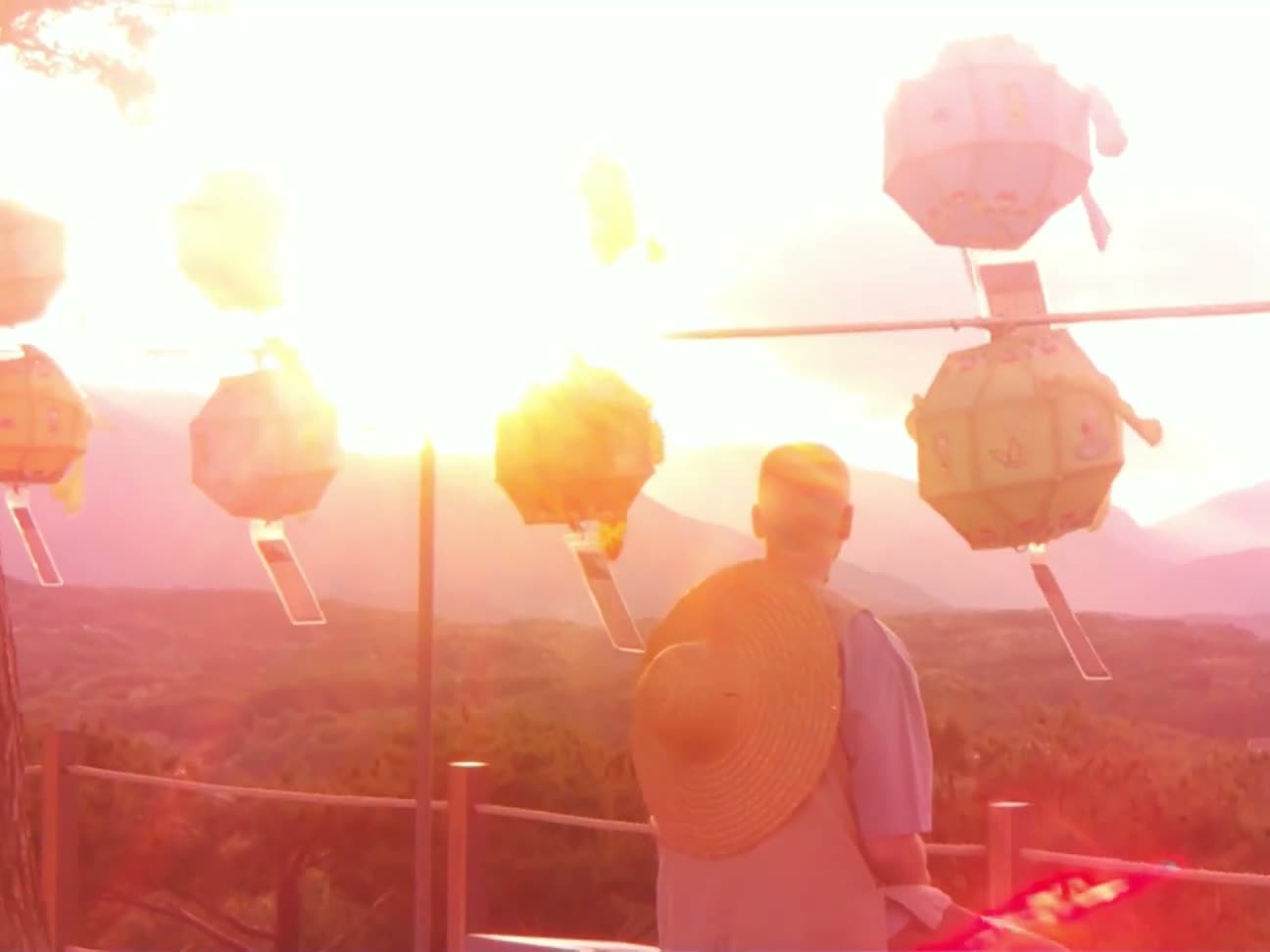
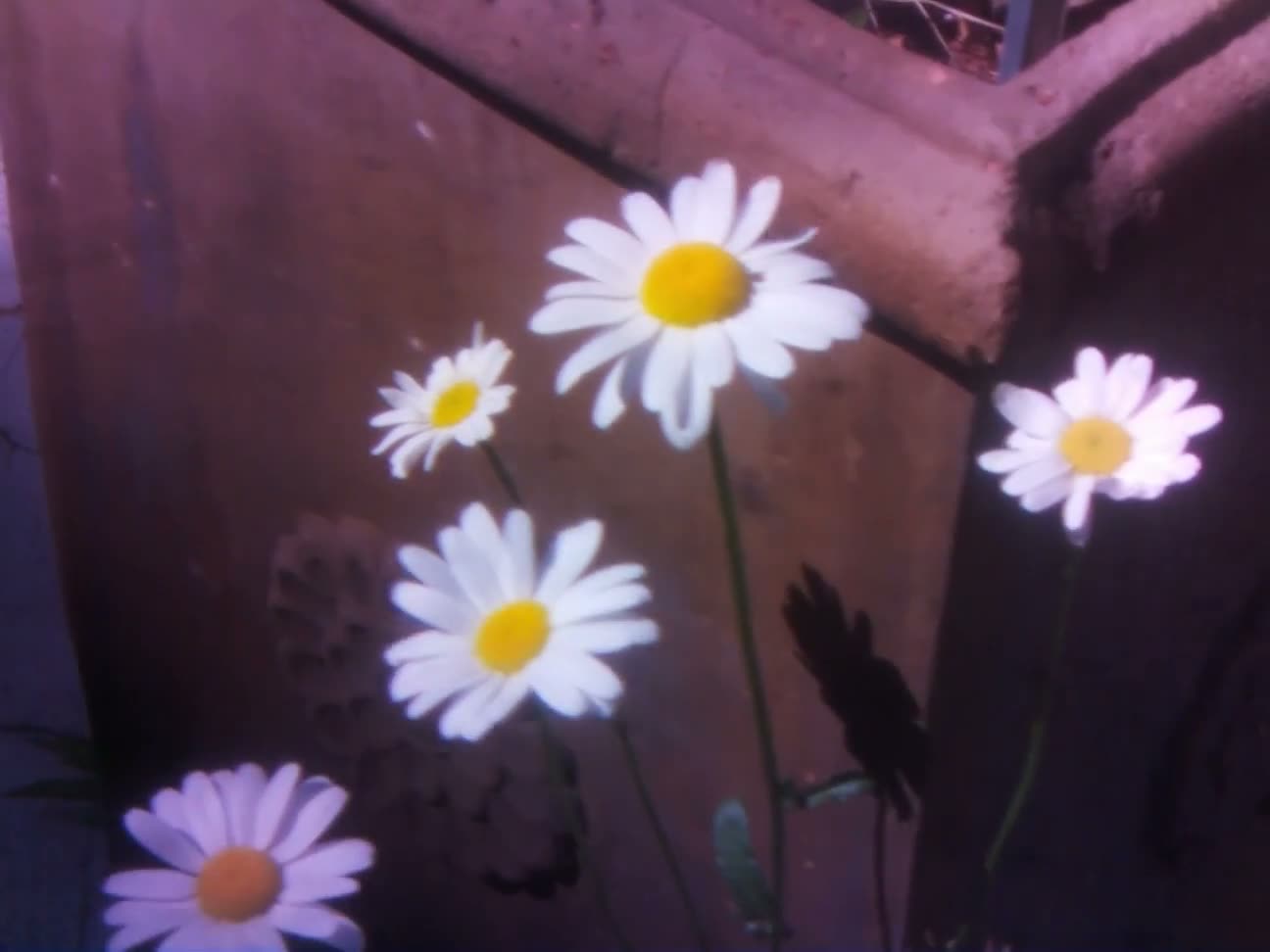
Straight into the sun. Straight off the card at 1296 × 972, ungraded; the flare and colour are the old zoom lens and the bare sensor. Daisies against a dark wall, ungraded. Your camera's own iris sets the exposure, just as it would for film. A wave from the garden table, ungraded. Every clip starts the moment you press the trigger and ends when you let go.

Then other people printed it
I put the files on MakerWorld, and people printed it for their own cameras. In several of them it didn’t fit. Too tight, the wheel sitting off-centre, shells redesigned by hand. My answer at the time was that every Super 8 is slightly different. That’s true, but it wasn’t the whole story.
My Nizo has a roomy chamber, and my first cartridge had quietly grown to fill it. It is 77.3 × 72.0 mm, more than a millimetre over the largest cartridge a camera is required to accept. Its drive key sticks out 1.5 mm below the floor, where the standard allows 0.38, because that’s how my Nizo’s spindle catches it. And its sensor holder sits flush with the front face, where most cameras’ film gate reaches about 2 mm in.
Scaling the files down doesn’t help either. It moves the spindle hole and squeezes the seats for the Pi, the charger board and the battery, so the parts no longer fit inside.
Now it starts from the standard
Every Super 8 camera is built to take the same cartridge, and that cartridge is written down to a hundredth of a millimetre in a standard: SMPTE ST 159-1, also ISO 3654. A camera holds a cartridge in three places: the floor it lies on, the front stops its springs push it against, and a locating pin in a slot at the front. The cartridge is now built from those three references.
The rule is simple: move walls, never scale. The walls move to suit your camera. The window, the slot and the sensor stay where the standard puts them, relative to the front stops. The wheel stays on the spindle. The parts you buy keep their exact size and their exact seats.
What changed:
- Standard size. 75.75 × 70.90 × 24.05 mm by default, within the standard’s tolerances on every side.
- A standard drive cup instead of my Nizo’s key: a recessed cup with two lugs, which is what every camera’s drive is designed to catch.
- A sensor depth that follows the gate. With the film gate in place the sensor sits behind it; with the gate removed it moves forward to where the film would be.
- Two ways to charge. The Lipo Rider’s own port in the back wall, or a small USB-C board in the middle of the back face, so the camera’s rear springs press on solid pads.
- A recessed switch, so nothing sticks out above the lid.
- No filter notch, so cameras that read it keep their orange 85 filter out of the way of the sensor.
Make it yours
Every Super 8 is different, and you have to make it yours. That’s what the Builder and the fit kit are for. The Builder starts from the standard, or from your camera, and shows the cartridge in 3D while you change it. The fit kit is one small print that checks your printer and your camera before you print the real thing. It costs about 25 grams of PLA and an hour, and it tells you more than any ruler.
The new standard cartridge still has to prove itself in my Nizos and in other people’s cameras, and the fit kit is how it will. Every camera that passes moves up the Builder’s camera list.
Credits and licence
I’m not the first to put a Raspberry Pi in a Super 8 cartridge. befinitiv (Bennet Fischer) did it in 2021, with a Pi Zero and an LED and light sensor at the drive. That project showed it could be done.
The code is MIT licensed. The cartridge models and everything the Builder generates are CC BY-NC-SA 4.0: share them, remix them, just not commercially.
Fabian de Vries, studiofabi